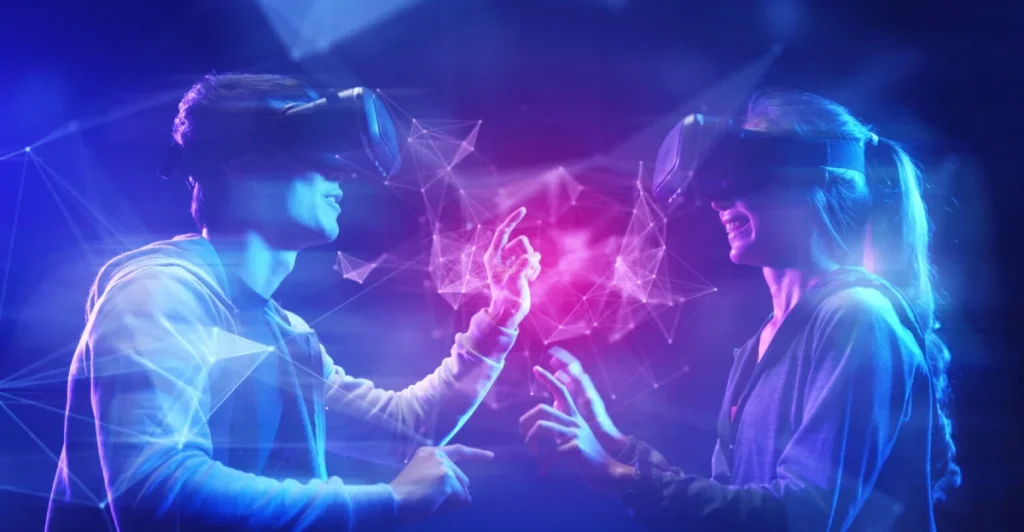
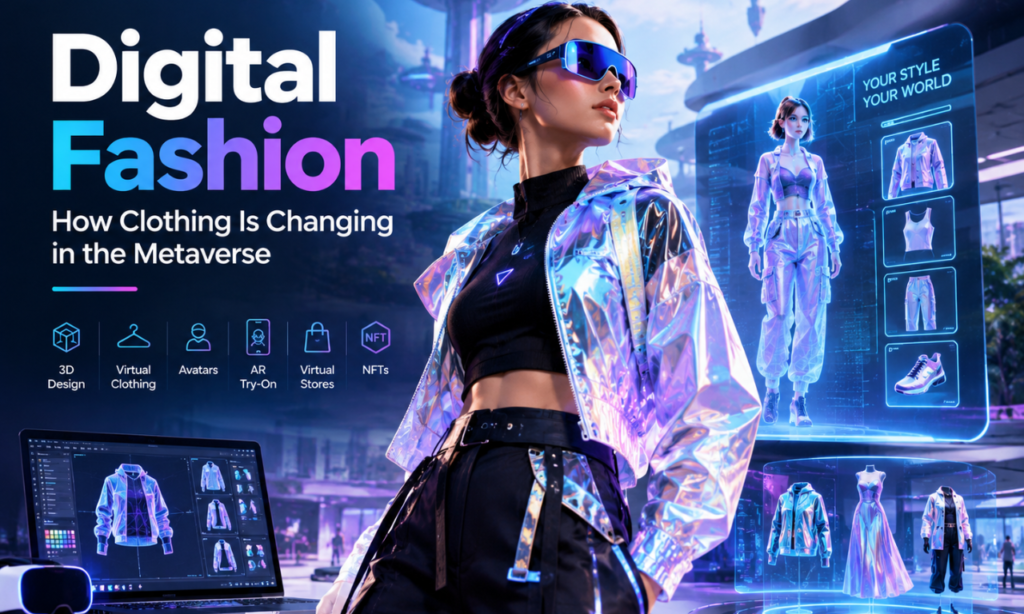
Fashion is no longer limited to physical clothes, stores, and traditional runways. As virtual worlds, avatars, augmented reality, and immersive technologies continue to develop, clothing is also becoming digital. This new approach to fashion is known as digital fashion.
Digital fashion allows people to create, wear, buy, sell, and display clothing in digital environments. These digital garments can be designed for avatars, social platforms, virtual events, video games, and other immersive experiences.
The growth of the metaverse is creating new opportunities for designers, fashion brands, creators, and consumers. Instead of only asking what people will wear in the physical world, the fashion industry is increasingly exploring what people can wear in the digital world.
What Is Digital Fashion?
Digital fashion refers to clothing, accessories, and fashion designs that exist in digital form rather than as physical garments.
A digital fashion item can be created using 3D design software and then used on an avatar, in a virtual environment, or through augmented reality. Unlike traditional clothing, digital garments do not necessarily require physical materials, manufacturing, or shipping.
Examples of digital fashion include:
- 3D digital clothing
- Virtual dresses and jackets
- Digital shoes and accessories
- Avatar clothing
- Virtual fashion collections
- AR fashion filters
- Digital fashion skins
- Virtual designer outfits
Digital fashion can exist independently or alongside physical fashion, creating new ways for people to express their identity.
How Does Digital Fashion Work?
Digital fashion usually begins with a designer creating a garment using 3D design tools. The designer can experiment with colors, shapes, textures, materials, and patterns without producing a physical sample.
Once the digital garment is created, it can be adapted for different digital environments.
For example, a designer might create a digital jacket that can be:
- Worn by a virtual avatar.
- Used in a virtual fashion show.
- Displayed in a virtual fashion store.
- Applied to a person’s image through augmented reality.
- Released as part of a digital fashion collection.
This makes digital clothing highly flexible compared with traditional garments.
Digital Fashion and the Metaverse
The metaverse provides an important environment for digital fashion because users can interact through avatars and virtual identities.
In a virtual world, people may not need physical clothes to express their style. Instead, they can customize their avatars with digital outfits, accessories, hairstyles, and other visual elements.
This creates a new relationship between fashion and digital identity.
For example, someone might choose a casual outfit for everyday life but use a futuristic digital outfit for their virtual avatar. The digital outfit can communicate personality, interests, status, or creativity.
As virtual experiences become more sophisticated, digital fashion could become an increasingly important part of how people present themselves online.
Digital Fashion vs. Physical Fashion
Digital fashion and physical fashion serve different purposes, but they can also work together.
| Digital Fashion | Physical Fashion |
|---|---|
| Exists digitally | Exists physically |
| Often designed in 3D | Traditionally designed for manufacturing |
| Can be worn by avatars | Worn by people |
| No physical materials required | Requires physical materials |
| Can be instantly modified | Physical changes require production |
| Used in virtual environments | Used in the physical world |
| Can support AR experiences | Can support traditional retail |
Digital fashion does not necessarily replace physical clothing. Instead, it introduces another layer of fashion that exists alongside traditional apparel.
The Rise of 3D Digital Clothing
One of the biggest developments in digital fashion is the use of 3D digital clothing.
Fashion designers can build garments digitally and see how they look on virtual models before producing physical samples. This can make the design process more flexible and allow designers to experiment with ideas quickly.
A designer can change:
- Fabric appearance
- Colors
- Patterns
- Garment shape
- Accessories
- Lighting
- Fit and styling
This can also help fashion companies visualize collections before committing to physical production.
Digital Fashion for Avatars
Avatars are becoming an important part of digital identity, particularly in virtual worlds and online social environments.
Avatar fashion allows users to dress their digital characters in different styles. Clothing can range from realistic versions of everyday fashion to completely imaginary designs that would be difficult or impossible to produce physically.
For example, a digital avatar could wear:
- Futuristic clothing
- Fantasy costumes
- Digital sneakers
- Virtual jewelry
- Animated jackets
- Interactive accessories
- Designer-inspired virtual outfits
This gives consumers more freedom to experiment with fashion.
You can learn more about this topic in our article on [Avatar Fashion: How People Dress in the Metaverse].
Why Are Fashion Brands Interested in Digital Fashion?
Fashion brands are exploring digital fashion because consumers are spending more time in digital environments.
Digital clothing can give brands additional ways to interact with audiences. Instead of limiting a collection to physical stores, a brand can create virtual experiences where users interact with products through avatars and immersive platforms.
Brands can use digital fashion for:
- Virtual collections
- Digital campaigns
- Avatar clothing
- Virtual events
- Social media experiences
- Augmented reality
- Virtual stores
- Interactive marketing
Digital fashion can therefore become part of a broader digital strategy rather than simply another type of clothing.
Digital Fashion and Virtual Fashion Shows
Traditional fashion shows require physical locations, models, lighting, production teams, and audiences. Digital fashion introduces another possibility: virtual fashion shows.
Designers can create digital collections and present them using virtual models or avatars in computer-generated environments.
A virtual runway could take place in a futuristic city, an imaginary landscape, or an entirely digital environment.
This allows designers to experiment with concepts that may not be practical in a traditional fashion show.
Digital fashion and virtual fashion shows are therefore closely connected.
Digital Fashion and Virtual Stores
Digital fashion can also change the way people shop.
A virtual fashion store can allow customers to explore clothing in a 3D environment, interact with digital products, and view how outfits look on avatars.
Instead of simply scrolling through product images, shoppers could potentially enter an immersive environment and explore a brand’s digital collection.
Virtual stores can combine digital fashion with:
- 3D product displays
- Avatar customization
- Virtual fitting experiences
- Interactive product information
- AR virtual try-on
- Social shopping
Read more about this concept in [Virtual Fashion Stores: How Shopping Is Changing in the Metaverse].
Digital Fashion and Augmented Reality
Digital clothing can also be used with augmented reality (AR).
AR allows digital elements to appear over the real-world environment through compatible devices. In fashion, this can create virtual try-on experiences where users can see how a product or style might look without physically wearing it.
For example, a customer could use a smartphone camera to preview:
- Clothing
- Glasses
- Shoes
- Makeup
- Accessories
This connects digital fashion technology with online shopping and physical retail.
However, AR fashion should be viewed as part of the broader immersive fashion ecosystem rather than automatically being considered the metaverse.
Can Digital Fashion Make Fashion More Sustainable?
Sustainability is another reason digital fashion attracts attention.
Traditional fashion production can involve materials, manufacturing, transportation, packaging, and physical samples. Digital garments can be created and distributed without producing a physical item.
Digital samples can also help designers visualize concepts before creating physical prototypes.
This does not mean digital fashion is automatically sustainable. Digital products still require computers, software, servers, and energy. The overall environmental impact depends on how the technology and physical fashion supply chain are used.
Digital fashion should therefore be viewed as one potential tool for reducing unnecessary physical production rather than a complete solution to fashion’s environmental challenges.
Digital Fashion and New Business Models
Digital clothing creates opportunities for new types of fashion businesses.
Designers can create collections specifically for digital environments, while brands can develop digital products alongside their physical products.
Possible business models include:
- Selling digital outfits
- Creating avatar accessories
- Licensing digital designs
- Selling virtual collections
- Offering digital fashion subscriptions
- Creating limited digital releases
- Combining physical products with digital assets
This creates a broader fashion economy where value can exist in both physical and digital products.
What Are Fashion NFTs?
Some digital fashion products have also been connected with NFTs, which can provide blockchain-based records associated with digital assets.
Fashion NFTs have been used as a way to explore digital ownership, collectible fashion, and virtual clothing.
However, NFTs are only one part of the digital fashion ecosystem. Digital fashion does not require NFTs to exist or function.
The wider concept includes 3D clothing, avatar fashion, AR experiences, virtual stores, digital design, and other forms of virtual apparel.
Challenges of Digital Fashion
Despite its potential, digital fashion still faces several challenges.
1. Limited Standardization
Digital clothing may need to work across different platforms and virtual environments. Different platforms can use different technical systems, making interoperability difficult.
2. Digital Ownership
Consumers may have questions about who owns a digital garment, where it can be used, and whether it can be transferred between platforms.
3. Platform Restrictions
A digital outfit designed for one environment may not automatically work in another environment.
4. Consumer Adoption
Not everyone sees digital clothing as valuable yet. Consumer interest will depend on how useful, accessible, and enjoyable these experiences become.
5. Technology Costs
Creating high-quality 3D clothing and immersive experiences can require specialized software, skills, and computing resources.
The Future of Digital Fashion
The future of digital fashion is likely to involve a combination of physical and digital experiences.
People may increasingly use digital clothing for avatars, social platforms, games, virtual events, and augmented reality. Fashion brands may also combine physical products with digital experiences.
For example, buying a physical jacket could potentially provide access to a matching digital version for an avatar. This type of connection between physical and digital products is often described as phygital fashion.
As virtual environments continue to develop, digital fashion could become another important channel for design, marketing, retail, and self-expression.
Final Thoughts
Digital fashion is changing the way we think about clothing. Instead of fashion existing only in the physical world, designers and consumers can now explore clothing through 3D designs, avatars, virtual environments, augmented reality, and digital experiences.
The metaverse provides an important space for this evolution, while technologies such as AR, 3D design, and blockchain can add new possibilities.
Digital fashion is still developing, but its impact can already be seen in virtual clothing, avatar fashion, digital collections, virtual stores, and immersive fashion experiences.
As the boundary between physical and digital life continues to evolve, clothing may become something we don’t just wear in the real world—but something we also create, collect, and express digitally.