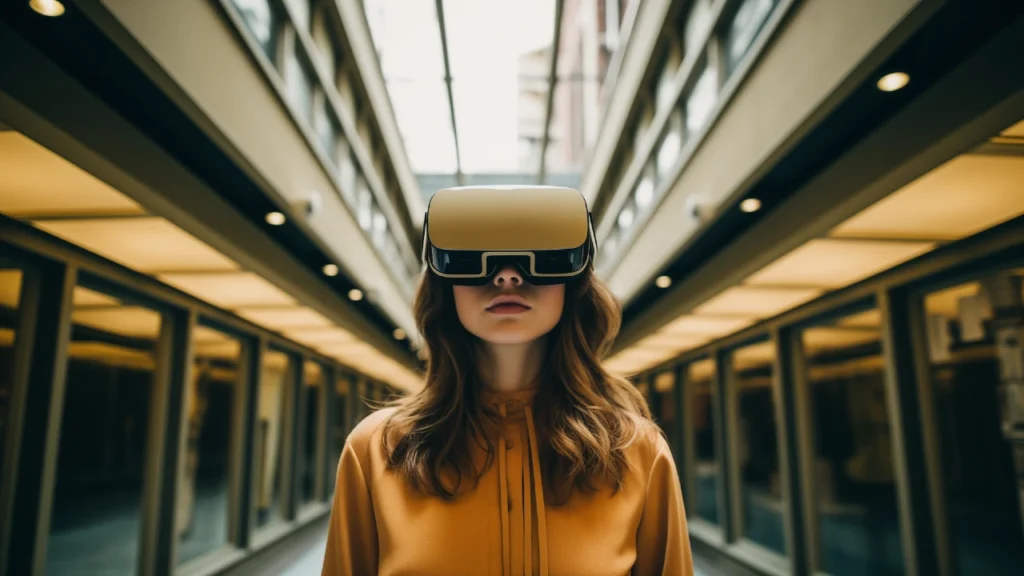
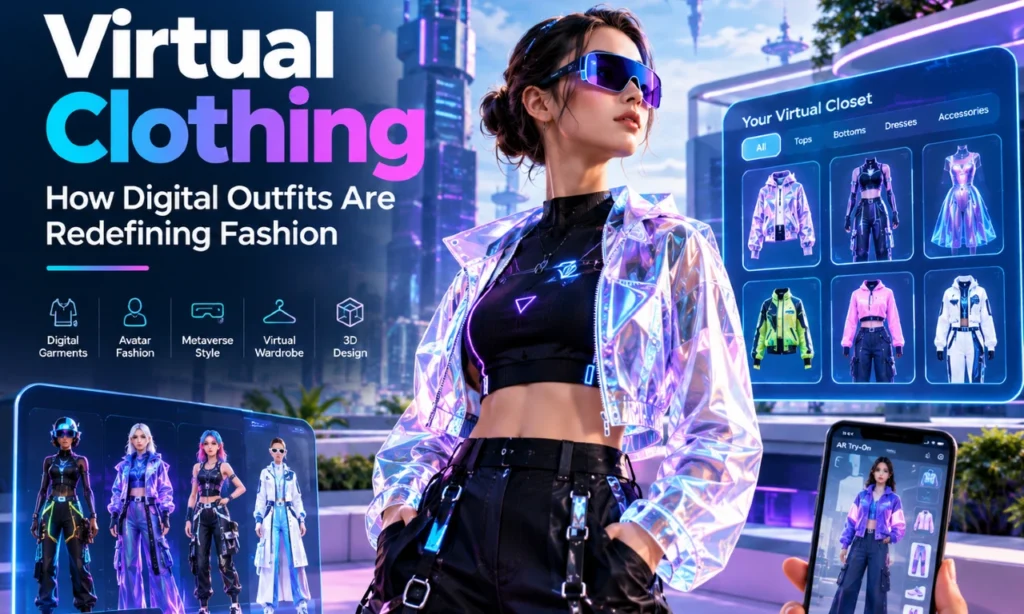
Fashion no longer stops at the clothes we wear in the physical world. As technology evolves, people can explore new styles through digital outfits, virtual avatars, augmented reality, and immersive online environments. This growing trend is called virtual clothing.
Virtual clothing lets people wear digital garments in virtual worlds, video games, and social media content. From futuristic jackets to virtual sneakers and designer-inspired outfits, it opens new opportunities for consumers, designers, and fashion brands.
As the metaverse develops, virtual clothing is becoming a major part of the digital fashion industry. It offers new ways to express personal style, test designs, and enjoy fashion without always needing a physical garment.
In this article, we explain what virtual clothing is, how it works, and what benefits it brings. We also look at how it may shape the future of fashion.
What Is Virtual Clothing?
Virtual clothing means digital garments that exist in a computer-generated environment instead of the physical world. Designers build these garments in 3D software, and people then use them to dress digital avatars or create virtual fashion experiences.
Unlike traditional clothing, virtual outfits do not need fabric, stitching, or physical manufacturing. Instead, designers use specialized tools to create digital dresses, jackets, trousers, shoes, and accessories.
Examples of virtual clothing include:
- Digital dresses and jackets
- Virtual sneakers and footwear
- Avatar outfits for virtual worlds
- 3D fashion collections
- Digital accessories and jewelry
- Virtual costumes for games
- Augmented reality clothing effects
- Digital versions of physical garments
Some virtual garments exist purely for digital use. Others, however, copy real-world clothing.
How Does Virtual Clothing Work?
Virtual clothing usually starts when a designer builds a garment with 3D modeling or digital fashion software. First, the designer shapes the garment and chooses its materials, textures, and colors.
Next, the designer adapts the finished garment for a specific use. For example, it might dress an avatar, appear in a virtual fashion show, or become a digital image.
Here is a simplified process:
- Digital design: A designer creates a garment using 3D tools.
- Material and texture creation: The designer adds colors, patterns, and fabric-like details.
- Avatar fitting: The designer adjusts the clothing to fit a compatible digital character.
- Platform integration: The team prepares the garment for a supported game, virtual world, or digital experience.
- Digital use: The user wears, displays, or interacts with the virtual outfit.
The exact process depends on the platform and the type of garment. Therefore, an item made for one environment may not work in another without changes.
Virtual Clothing and the Metaverse
The metaverse describes interconnected, immersive digital experiences where people interact with environments, services, and other users. Because users often appear as avatars, virtual clothing fits naturally into these spaces.
Just as people choose clothes to show their personality in everyday life, they can give their avatars different digital outfits. For instance, a user might wear professional clothing to a virtual meeting, sportswear in a game, or a futuristic outfit at a virtual event.
In addition, virtual clothing helps users build a recognizable digital identity. It also gives designers more freedom, since they can try styles that would be expensive, impractical, or impossible to make physically.
Learn more about the broader trend in our article on [Digital Fashion: How Clothing Is Changing in the Metaverse].
Types of Virtual Clothing
Virtual clothing comes in several forms, depending on how and where people use it.
1. Avatar Clothing
Designers make avatar clothing for digital characters in virtual worlds, games, and social platforms. Users can pick outfits, change colors, and customize their characters to match their personal style.
Examples include virtual jackets, dresses, shoes, uniforms, and accessories.
2. Digital-Only Fashion
Digital-only fashion consists of garments made specifically for digital use. Because physical limits do not apply, these designs can feature unusual shapes, animated effects, glowing materials, or imaginative structures.
3. Virtual Clothing for Gaming
Many games let players customize characters with outfits, costumes, and accessories. These items help players personalize their experience and stand out from others.
However, each game sets its own rules for ownership and transferability of these items.
4. AR Virtual Clothing
Augmented reality (AR) places digital clothing effects over a live camera view or a person’s image. Depending on the technology, users can preview different styles without wearing the garments.
AR fashion works well for digital content creation and some virtual try-on experiences. Still, results vary by product and device.
5. Digital Versions of Physical Clothes
Some fashion brands and designers build digital versions of their physical garments. They use these for virtual presentations, digital marketing, avatar experiences, or product visualization.
As a result, a physical fashion collection can connect directly with digital experiences.
Virtual Clothing vs. Digital Fashion
The terms virtual clothing and digital fashion are closely related, but they do not mean exactly the same thing.
Virtual clothing focuses mainly on digital garments and outfits. Digital fashion, on the other hand, is a broader idea. It covers virtual clothing, 3D fashion design, digital accessories, virtual fashion shows, and other technology-driven fashion experiences.
| Virtual Clothing | Digital Fashion |
|---|---|
| Focuses on digital garments | Covers a wider fashion ecosystem |
| Includes avatar outfits | Includes clothing, design, and digital experiences |
| Often used in virtual environments | Works in virtual and physical-world contexts |
| Can be digital-only | Can include digital tools that help develop physical fashion |
| One part of digital fashion | The broader category |
Understanding this difference helps explain where virtual clothing fits in the growing fashion technology industry.
Benefits of Virtual Clothing
Virtual clothing offers several potential advantages for consumers, designers, and fashion brands.
More Creative Freedom
Digital designers can experiment with colors, materials, shapes, and visual effects without the limits of physical fabric. For example, a virtual garment can have transparent surfaces, animated patterns, or dramatic shapes that would be hard to manufacture in real life.
Personal Digital Identity
Virtual outfits let users personalize their avatars and online appearances. Moreover, different outfits can communicate mood, interests, creativity, or membership in a digital community.
Faster Design Experimentation
Designers can create and revise digital samples before they decide whether a physical version is necessary. Consequently, teams can explore multiple concepts during the design process.
New Opportunities for Fashion Brands
Brands can use virtual garments in digital campaigns, gaming collaborations, avatar collections, and immersive shopping experiences. These activities may open additional ways to reach consumers. Still, commercial success depends on audience interest and good execution.
Digital Access
Companies can distribute virtual clothing online, so users can access compatible products without waiting for a physical garment to ship. Even so, access may depend on platform compatibility, payment requirements, and device availability.
Can Virtual Clothing Be More Sustainable?
Sustainability is an important topic in discussions about virtual clothing.
Digital garments do not always require physical production. Therefore, they may reduce the need for certain physical samples or one-time outfits made for digital content. Designers can also test ideas with digital prototypes before they manufacture anything.
However, virtual clothes is not automatically eco-friendly. Digital products still need devices, software, computing resources, and energy, so the environmental benefits depend on how people design and use them.
The strongest benefits likely appear when digital tools help cut unnecessary physical sampling, material waste, or production that would have happened anyway.
Overall, we should see virtual clothes as one possible part of a more efficient fashion system rather than a complete solution to fashion’s environmental impact.
How Fashion Brands Use Virtual Clothing
Fashion brands use virtual clothing in different ways, depending on their audiences and business goals.
Digital Marketing Campaigns
Brands create virtual outfits for digital advertisements, social media content, and online campaigns. As a result, they can explore creative concepts without producing every garment physically.
Avatar Collections
A brand may develop digital garments that users can apply to compatible avatars. In this way, collections introduce the brand to audiences who spend time in games or virtual social spaces.
Virtual Fashion Events
Designers showcase digital garments through virtual runways, online exhibitions, and immersive presentations. These events give them a fresh way to present their collections.
Virtual Stores
Virtual retail environments display digital clothes and let users explore styles through 3D product views or avatar-based experiences.
Explore this topic in [Virtual Fashion Stores: How Shopping Is Changing in the Metaverse].
Digital and Physical Product Experiences
Brands can also link physical clothing with digital content, such as a matching avatar outfit. People sometimes call this approach phygital fashion, because physical and digital elements work together.
Virtual Clothing and Fashion NFTs
Some virtual clothing projects use non-fungible tokens (NFTs) to record information about a digital asset on a blockchain. Creators have explored fashion NFTs for digital collectibles, limited releases, and virtual garments.
Nevertheless, an NFT does not guarantee that you can wear a clothing item on every platform. It also does not give the owner unrestricted intellectual property rights.
In fact, virtual clothes does not require NFTs at all. Many digital garments reach users through conventional platforms and marketplaces.
If you are interested in blockchain-based fashion, [Fashion NFTs: How Digital Clothing Creates New Ways to Own Fashion] covers this topic in more detail.
Challenges of Virtual Clothing
Despite its potential, virtual clothing still faces several challenges.
Platform Compatibility
A garment designed for one game or virtual world may not work in another, because platforms use different formats, avatar systems, and technical requirements.
Realistic Appearance and Fit
Digital garments can look impressive. However, convincing movement, fabric behavior, and fit take technical skill and careful design.
Consumer Adoption
Some consumers enjoy customizing avatars, while others prefer physical fashion. For this reason, virtual clothes needs clear value and convenient experiences to attract a broader audience.
Digital Ownership
Users do not always know whether they own a garment outright, hold a limited license, or can move it to another account or platform. Terms differ between providers.
Accessibility and Cost
High-quality digital clothing may require specialist software and expertise. In addition, consumers may need compatible devices or accounts to use certain products.
The Future of Virtual Clothing
The future of virtual clothing will depend on how digital platforms, design tools, and consumer habits evolve.
First, more accessible 3D design tools could help independent designers create their own digital collections. Second, better avatar systems may make virtual garments look and move more naturally. Meanwhile, fashion brands may combine virtual outfits with physical product launches, online shopping, and interactive marketing.
Virtual clothes may become especially useful in gaming, digital entertainment, virtual events, and social experiences, where people already customize their digital identities.
Adoption, however, will not look the same on every platform or among every audience. The most successful experiences will likely offer practical value, creative freedom, or meaningful ways for users to express themselves.
Final Thoughts
Virtual clothing expands the meaning of fashion beyond physical garments. Through digital outfits, avatar customization, 3D design, and immersive experiences, people can explore new ways to express their style online.
For designers, virtual clothing offers a chance to experiment with creative concepts and reach digital audiences. Likewise, fashion brands can use it to support marketing, virtual collections, and new shopping experiences. Consumers, in turn, gain additional ways to personalize their digital identities.
Although challenges such as platform compatibility, ownership, accessibility, and sustainability remain, virtual clothes is an important part of the evolving digital fashion industry.
As physical and digital experiences grow closer, virtual clothing may become a more familiar part of how people create, share, and experience fashion.