
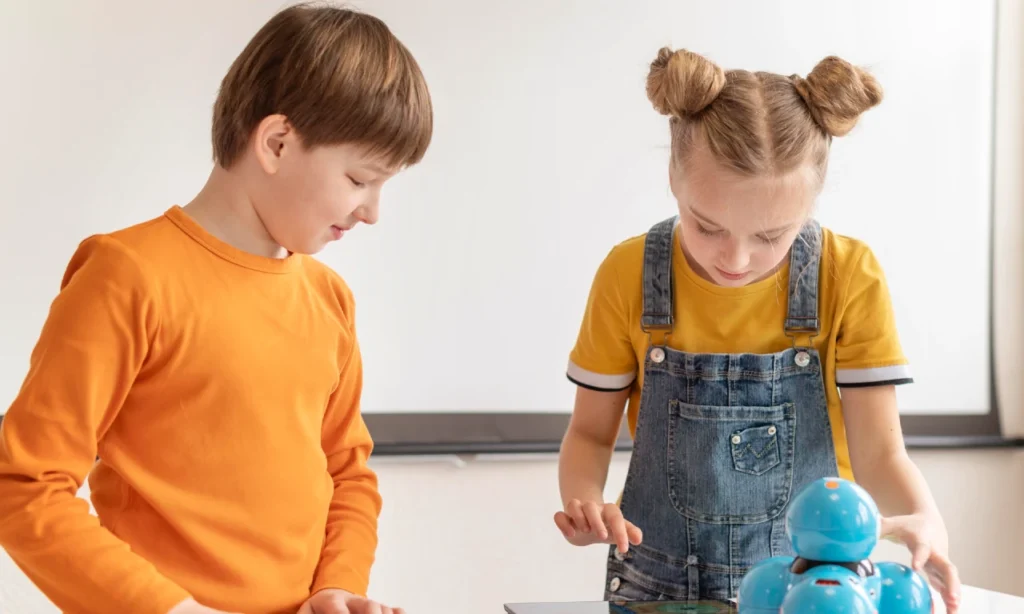
Walking through the toy aisle today feels different. Gone are the simple dolls and cars. Now, we see blinking eyes, listening ears, and boxes promising conversational companions. This leads many parents to a pressing modern question: Is your child’s AI toy a friend or a spy?
These interactive playthings can sing, teach, and answer endless “why” questions. They promise personalized education and engagement. Yet, behind that friendly voice lies a complex web of microphones, data servers, and algorithms. This creates a confusing landscape for families wanting both fun and safety.
This article cuts through the hype. We will explore the dual nature of these devices. You will learn about the genuine benefits for learning and the very real risks to privacy. Most importantly, we will provide actionable steps to help you make informed choices for your family.
The Promise of a Digital Friend

For a child, an AI-powered toy can feel like magic. It’s a responsive, patient, and seemingly intelligent companion. This “friendship” offers several potential upsides.
Personalized Learning at Play
Unlike static toys, an AI toy can adapt. It can tailor stories, quizzes, and challenges to your child’s age and progress. If your little one struggles with a math concept, the toy can offer simpler problems. If they excel, it can introduce new challenges. This creates a dynamic educational tool that grows with your kid.
Unwavering Patience and Encouragement
These toys never tire. They offer a safe space for children to practice reading aloud, speaking a new language, or exploring curiosity without judgment. For a shy child, this can build confidence. The constant positive reinforcement can motivate young learners in a way that feels like play.
Spark for Creativity and STEM Interest
Many coding kits and robotics toys use AI to teach basic programming logic. Children see direct cause and effect from their commands. This hands-on interaction can ignite a lasting interest in technology, science, and creative problem-solving from a young age.
The Hidden Risk of a Tiny Spy
Beneath the engaging surface, the very features that make these toys “smart” introduce significant concerns. This is where the friendly companion can start to look like a spy.
The Eavesdropping Toy in Your Living Room
The core function requires a microphone—often always on and listening for a wake word. This means the toy could be recording more than just direct commands. Private family conversations, sensitive moments, or a child’s innocent secrets could be captured. These audio clips frequently travel to company servers for processing, creating a digital footprint of your home life.
A Treasure Trove of Your Child’s Data
This is the biggest concern. An AI toy doesn’t just collect voice recordings. It builds a detailed child profile. It learns your kid’s name, interests, emotional patterns, voiceprint, and potentially their location. Questions like “What’s my mom’s name?” or “Where do I live?” become data points. Poorly secured databases make this information a target for hackers.
Shaping Minds with Unseen Bias
An AI is only as good as its programming. If its training data contains societal biases, the toy might inadvertently reinforce stereotypes about gender roles, careers, or cultures. Your child might accept these outputs as fact from their seemingly all-knowing friend, shaping their worldview in subtle, unintended ways.
The Illusion of Friendship and Social Stunting
This risk is less about data and more about development. A relationship with a machine lacks the complexity of human interaction. A real friend gets upset, compromises, and communicates with body language. An AI toy is designed to please. Over-reliance could potentially hinder a child’s ability to navigate conflict, build empathy, and read non-verbal social cues.
How to Choose: Smart Guidelines for Smart Toys

Feeling conflicted is normal. The goal isn’t to ban technology but to embrace it wisely. Here is your practical checklist to evaluate any smart toy.
1. Dig Into the Digital Fine Print
Before you buy, research the company’s privacy policy. Look for clear answers:
- What specific data does this toy collect?
- How does the company use my child’s data? Is it sold for advertising?
- Can I review and permanently delete my child’s data?
- Is the data encrypted?
Reputable brands will have clear, accessible answers. If the policy is vague or overly complex, see that as a red flag.
2. Secure Your Home Network
Treat the toy like any other connected device. Place it on a secure, password-protected Wi-Fi network. If your router allows it, consider setting up a separate guest network for all Internet of Things (IoT) devices, including toys. This limits potential access to your main computers and phones.
3. Master the Mute Button and Offline Mode
Use physical switches. When playtime ends, turn off the microphone or power down the toy completely. Some toys offer an “offline mode” for certain games—use this feature whenever possible to prevent data transmission.
4. Make Play a Shared Experience
The healthiest approach is to treat the AI toy as a shared activity, not a digital babysitter. Sit with your child. Ask them what their robotic friend said today. Use the toy’s stories or puzzles as a springboard for your own family conversations and creative play. This contextualizes the technology and anchors your child in human connection.
5. Have “The Talk” About Digital Friends
As your child grows, have age-appropriate conversations. Explain that their cool toy is a clever computer program. Teach them never to share personal details like passwords, addresses, or school names with the device. This builds foundational digital literacy.
The Final Verdict: Friend, Spy, or Tool?

So, is your child’s AI toy a friend or a spy? The honest answer is: it’s primarily a tool.
Its nature depends almost entirely on how we use it. With open eyes and proactive steps, we can mitigate the spy-like risks of data collection. We can harness the “friendly” aspects of engagement and education while ensuring real human connection remains at the heart of childhood.
The responsibility falls on us, the adults. By choosing brands that prioritize ethics, by setting strong digital boundaries at home, and by staying present in our children’s play, we can navigate this new world. We can ensure these fascinating pieces of technology serve our families safely, putting us—not the algorithm—in control of our children’s environment.
The connected playroom is here to stay. Let’s fill it with both wonder and wisdom.